Smart locks tough to hack, despite concerns
April 9, 2018
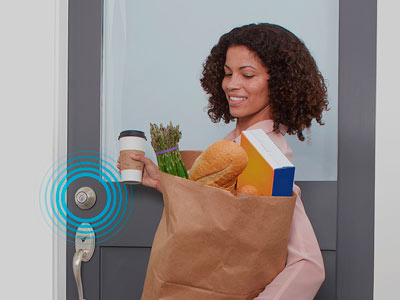
There can be technical glitches with home smart locks, but the potential of someone hacking in is unlikely, according to Weiser, Canada’s biggest manufacturer of door locks.
Steve Kolobaric, marketing manager for Weiser locks, said smart locks are particularly handy for families. A fob can be attached to a child's backpack, allowing them to get in just by touching the lock. When that happens, the parents will be sent a notification on their smartphones.
“So you have that peace of mind,” he added.
Right now, he said, smart locks make up about 10 to 15 per cent of lock sales in Canada, but their growth trajectory is expected to go “through the roof in the next couple years.”
But Geoffrey Vaughan, a Toronto security consultant with Security Compass said his company has discovered security flaws in some new smart locks.
Until it was fixed, Apple’s August smart lock could be hacked through
an identification number that Bluetooth devices often broadcast wirelessly. After a series of other steps, the intruder could directly access the device's server and send a command to unlock the door.
Weiser said the Bluetooth signals its smart locks emit are not discoverable by a device not paired with the lock and they use "military grade" encryption.
Kolobaric said the chances of someone hacking a smart lock are less likely than someone breaking a window to gain entry.
Weiser recently introduced its If This Then That (IFTTT) channel for its Kevo platform of smart locks.
The channel allows Kevo users to integrate their smart locks with smart home products using Bluetooth Low Energy 4.0 technology to turn a smartphone into an electronic key.
The biggest problem with any smart lock is the fob or smartphone battery going dead – a person could be locked out of their home.