“Super thin” energy-window launched
February 27, 2019
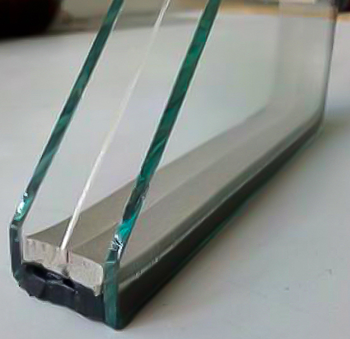
Anderson Corp., the largest window manufacturer in North America, and Alpen High Performance Products, which specializes in high-performance windows, are working with researchers at Lawrence Berkeley National Laboratories on a “super window” said to be at least twice as insulating as 99 percent of the windows for sale today—with the possibility of achieving mass-market penetration.
In a news release, the U.S. Department of Energy lab said the breakthrough is made possible by the availability of extremely thin glass, similar to that used for the flat screen television industry.
The glass, only 0.7 mm (less than 1/32-inch) thick, is used for the centre pane in the triple-glazed assembly. Krypton gas replaces the argon typically used in double-glazed units. Once expensive, Krypton gas has plunged in value in recent years.
High-performance triple-glazed windows, such as those used in Passive House buildings, are available in Canada today from a small number of manufacturers. But they are thicker and heavier than standard double-glazed units and many builders order them from Europe—extending construction schedules and costs. Because the glass in the Berkeley triple-glazed windows is so thin, the assembly delivers high R-value without a redesigned window sash or frame. The assembly can fit within the same frame as standard double-pane windows.
The windows have a centre-of-glass R-value of between R-8 and R-10—approximately twice that of the best low-E double-glazed windows currently on the market, the lab said. These windows are about as energy-saving as a solid wall.
Both Anderson and Alpen, which uses fibreglass window frames, are testing the new glazing and planning to launch new triple-glazed.