Victoria to ban fossil fuels in new homes by 2025
August 19, 2022
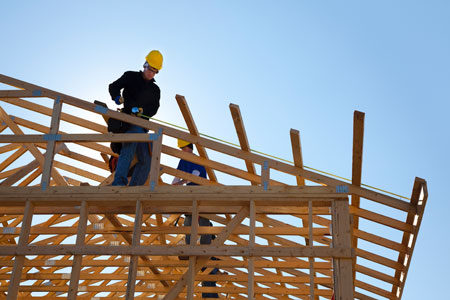
Almost all new construction—from single-family homes to office and residential towers— in Victoria, B.C., will be required to be “zero carbon” producers by 2025. “Zero carbon” means they can’t be heated with fossil fuels such as natural gas, propane or fuel oil.
Citing concerns about climate change and pollution, Victoria council has made the decision to accelerate the reduction of greenhouse gases in new buildings five years ahead of provincial requirements.
Victoria is among the first municipalities in the province to make this move for new construction—transitioning from fossil fuels to renewable energy. For most projects, that will likely mean using electricity to power equipment for space heating, water heating, cooking and drying clothes.
The decision comes ahead of the province’s new building code and pollution guidelines expected to be announced later this year.
Saanich and Central Saanich councils are considering a similar move. All three municipalities have had engagement processes with developers and builders. The Capital Regional District is supporting early adoptions of the plans.
“Buildings account for nearly half of all greenhouse gas pollution generated in the city,” said Mayor Lisa Helps.
“Each new building will last more than 50 years, so raising the bar now is critical to meeting our long-term climate goals, and to preparing the taxpayers of the future to have less climate-related costs down the road.”
Laura Berndt, manager of energy and climate action for the City of Victoria, said the no-fossil-fuels requirement for new buildings is part of a plan to reduce greenhouse gases by 80 per cent and move to 100 per cent renewable energy by 2050.